

Baltimore Amputation Injury Lawyers Serving Maryland
An amputation injury can turn your life upside down in an instant. You’re likely facing surgeries, rehabilitation, and unexpected medical expenses. At the same time you’re wondering if you can still earn a living, care for your family, and remain independent. That’s already a lot to bear. Figuring out the legal side of what happened shouldn’t become another burden.
For more than 30 years,
Timothy A. Dachille & Associates has helped injured people and their families navigate some of the most difficult periods of their lives. If someone else’s negligence has caused your amputation, we can step in, negotiate with insurance companies, and fight for fair compensation.
An Amputation Changes More Than Your Life Today
The impact of an amputation rarely ends when you leave the hospital. Recovery may involve additional surgeries, rehabilitation, ongoing medical care, or even a change in what you’re able to do for a living.
Some of these needs may not be fully known for months or even years. That’s why we look beyond the bills in front of you today. When we evaluate your claim, we work to understand how the injury may affect your health, finances, independence, and day-to-day life well into the future.
How Do Amputation Injuries Happen?
Car and Truck Accidents
Serious crashes can cause crushing injuries, severe fractures, loss of blood flow, or other trauma that ultimately require amputation.
Motorcycle Accidents
Motorcyclists have little protection when they’re struck or thrown from a bike. Severe injuries to an arm or leg can sometimes leave doctors with no option but amputation.
Pedestrian Accidents
When a pedestrian is struck, pinned, or run over by a vehicle, severe fractures, crush injuries, and extensive tissue damage can lead to the loss of a limb.
Workplace and Construction Accidents
Heavy machinery, power tools, construction equipment, and other dangerous job-site conditions can lead to traumatic injuries that result in amputation. Depending on how the accident happened, there may also be claims involving parties other than your employer.
Defective Products or Machinery
Missing safety guards, defective power tools, or malfunctioning machinery can cause devastating injuries to workers and consumers.
Medical Negligence
In some cases, delayed diagnosis, treatment, or other negligent medical care can cause or contribute to a condition that ultimately requires amputation.
Who May Be Held Liable for an Amputation Injury?
You may know exactly what happened during your accident but have no idea who is legally responsible. And that’s okay. You don’t need to figure that out before you call us.
Depending on circumstances, responsibility could involve:
- A negligent driver who caused a serious car, truck, motorcycle or pedestrian accident.
- A trucking company responsible for untrained drivers or poorly maintained vehicles.
- An employer, contractor, property owner, or other third party responsible for unsafe conditions
- A manufacturer of defective machinery, equipment or products.
- A medical provider whose negligent care caused or contributed to the need for amputation.
In some cases, more than one party may be at fault. Part of our job is figuring that out for you. Our attorneys will investigate what happened, gather the available evidence, identify the parties that may be responsible, and explain clearly what options you have for moving forward.
What Compensation Can You Recover After an Amputation?
Every amputation affects a person differently. In determining fair compensation, we take the time to understand what the injury has already cost you and how it may affect you in the future.
- Depending on your circumstances, compensation may account for:
- Lost wages and time away from work
- Reduced ability to earn a living in the future
- Past and future medical expenses
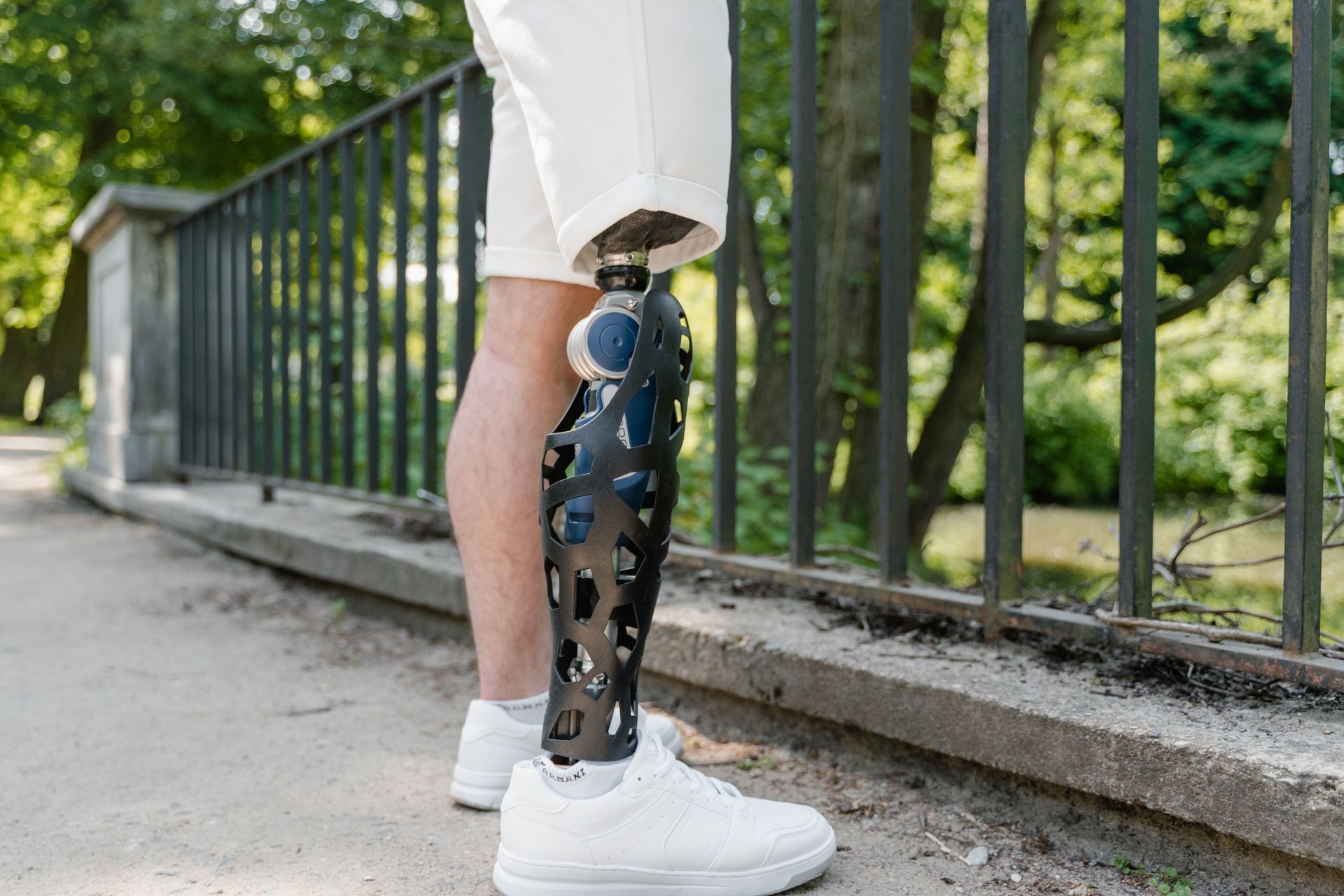
- Prosthetics and replacement devices
- Physical and occupational rehabilitation
- Necessary home and vehicle modifications
- Pain and suffering
- Emotional distress
- Loss of enjoyment of life
Settlement is one path to compensation, but we also prepare to take your case to trial so that you have every option available. This readiness to go to trial can strengthen your position in settlement negotiations.
What to Do After a Serious Amputation Injury
The days and weeks ahead can bring medical appointments, rehabilitation, and many new challenges. While there are steps you can take to protect your legal rights, you don’t need to have everything figured out. We will navigate the process and guide you, so that you can focus on what matters most—your recovery.
For now, focus on a few things:
- Keep up with your medical care. Continue the treatment and rehabilitation recommended by your healthcare providers.
- Save what you reasonably can. If it's easy to do so, hold onto medical paperwork, bills, receipts, insurance correspondence, and other documents related to the injury. Don't worry if you don't have everything.
- Be careful when speaking with insurance companies.
Before giving a recorded statement or accepting a settlement, consider talking with an attorney who can help you understand what you're agreeing to.
Frequently Asked Questions About Amputation Injury Claims
How much is an amputation injury case worth?
There is no standard value for an amputation injury claim. Compensation depends on factors such as the severity of the injury, medical and future care needs, prosthetic costs, lost income, and how the amputation affects your everyday life. We can look at what happened and help you understand what your claim may be worth.
Can I recover the cost of future prosthetic limbs?
Yes, future prosthetic needs may be considered as part of an injury claim. This can include replacement devices, adjustments, maintenance, and related medical care you may need over time.
How long do I have to file an amputation injury claim in Maryland?
In most cases, Maryland gives you three years to file a personal injury lawsuit. Some claims have different requirements or shorter deadlines, so it’s important to understand the timeline that applies to your specific case.
What if I was partially at fault for the accident?
Maryland follows a contributory negligence rule, which can prevent you from recovering compensation if your own negligence contributed to the injury. Don’t assume that means you don’t have a case. Our attorneys can look at what happened and help you understand your options.
Do I need a lawyer for an amputation injury claim?
You aren’t legally required to hire a lawyer, but there can be a lot at stake when an injury may affect you for the rest of your life. An attorney can handle the insurance companies, investigate what happened, document your current and future needs, and take much of the legal work off your plate while you focus on recovery.
Let Us Help Make the Legal Side of Things Easier
Speaking with an amputation injury lawyer can bring you peace of mind during one of the most unsettling times in your life. We’re here to take the legal burden off your shoulders.
Timothy A. Dachille & Associates is based in Hunt Valley and represents injured people and families throughout Baltimore City, Baltimore County, Harford County, and surrounding Maryland communities. For more than 30 years, we've built our practice around helping people through difficult situations with straightforward advice, personal attention, and experienced legal representation.
If you're looking for an amputation injury lawyer for yourself or someone you love, we’re here to help.